
Criteria 2 - Soil + Water Conservation
|
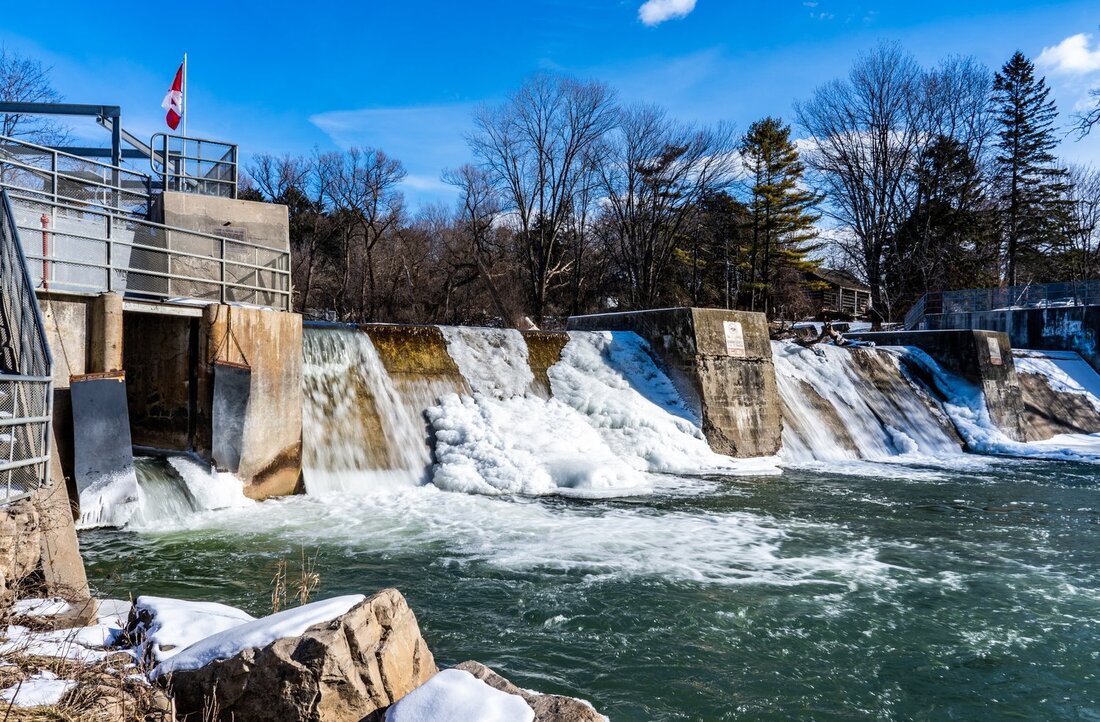
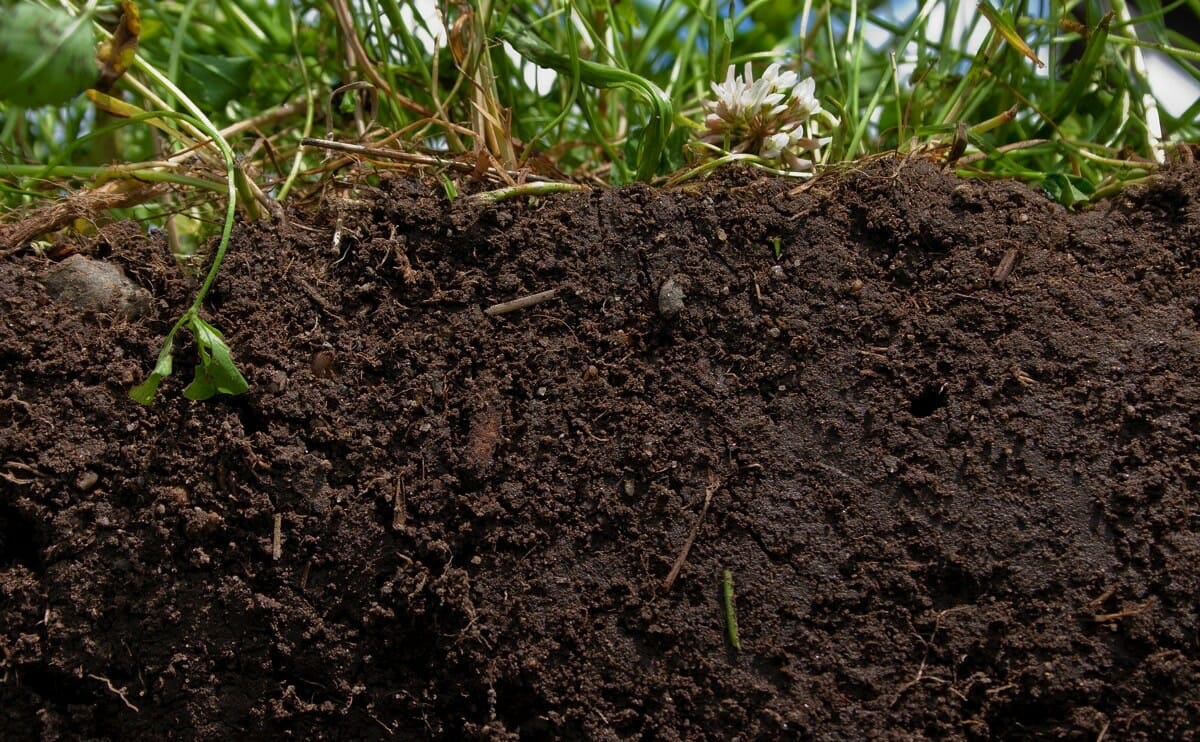
Soil & Water Conservation Districts exist for these two critical resources. Nationwide, we seek to support best management practices for landowners via education, outreach, and technical assistance. Districts know that successful landscapes whether designed or wild; will only survive—and thrive—if plants are growing in adequate soil and receiving regular water whether it is for horticultural or agricultural purposes. We also know humans create large amounts of built landscape—roads, driveways, buildings, parking lots, etc. Lots of water sheds off of these surfaces and carries pollutants to stormdrains and ultimately our local lakes and streams. It is critical to address stormwater runoff to avoid erosion and potential contamination of nearby waterways. Each property can be considered a piece in the fabric of the larger landscape—all connected. Therefore, each landowner’s soil and water conservation efforts contribute to a cumulative collective impact in best management practices, conserving our land and water for generations to come. Soil Soil is an entire ecosystem beneath our feet! In the past, we have identified soil as a non-living player in the ecosystem---just a medium for the growth of land plants. We now know soil to be FULL of life. Did you know that there are more living things in one teaspoon of soil than there are people in the world? Soil is alive! In addition to sand, silt, and clay soil is made up of air, water, microbes, bacteria, earthworms, insects, fungi, nematodes, roots, burrowing animals, and more! Millions of species, and billions of organisms live beneath our feet; the highest concentration of biomass anywhere on the planet. We also want to keep soils where they are, because everytime we disturb it, soil particles and any pollutants attached to it can runoff into our water resources. We want to do everything we can to protect soil, to build soil, and keep soil intact and undisturbed. Our soils provide the foundation for our ecosystems (both inside your yard and across the whole state), so important to build and support healthy soils. Water Conservation Water is critical for life. Here in Maine, we are fortunate to have an abundance of both fresh and saltwater alike contributing to drinking water, recreation, fisheries, agriculture and more. Whether you live on top of a mountain or on the coastal shoreline, you live in a watershed. 50% of all rainfall ends up as runoff traveling across surfaces and ending up in the nearest stream, river, lake, or ocean. That means what you do on your property can help—or hurt—the watershed you live in. Thus, every additional measure you take to infiltrate, divert or use rainfall on site will reduce potential nonpoint source pollution in your communities’ waterways. |
Recommendations:
• Make sure your soil is healthy and alive with beneficial soil organisms and organic matter.
• Have an active compost that you feed, turn, aerate and use in your gardens
• Support soil communities with fungal innoculated compost or mulch (Or just grow mushrooms!)
• "Follow the Flow!" - Identify the ways that water leaves your property -- go out during a rainstorm and watch the water. Do you notice erosion happening in these places? Identifying is the first step!
•
• Have an active compost that you feed, turn, aerate and use in your gardens
• Support soil communities with fungal innoculated compost or mulch (Or just grow mushrooms!)
• "Follow the Flow!" - Identify the ways that water leaves your property -- go out during a rainstorm and watch the water. Do you notice erosion happening in these places? Identifying is the first step!
•
Resources for Criteria 2:
Soil Resources
What type of soil do I have? Use one of the following online resources to get a soil map of your property:
Web Soil Survey
Soil Web
How can I improve my soil? Test it!
Umaine Extension - Soil Tests in Maine
Umaine Extension - Interpreting your soil test results
Composting
Umaine Cooperative Extension has abundant resources
Cornell - Build your own compost bin or box
Central Texas Mycology - Composting with Mushroom Blocks
Soil Erosion - Best Management Practices
Maine DEP - BMP Manuals
Soil Health Institute
Erosion Control Mulch Fact Sheet
Maine DEP + Portland Water District - Conservation Practices for Homeowners
Knox-Lincoln SWCD - Comprehensive List of Erosion Control Practices and Resources
Fungi
Central Texas Mycology - How Fungi Benefits Soils
Northspore - How to Grow Mushrooms in Outdoor Mushroom Beds
Water Resources
Buffer Plantings
Landscaping at the Water’s Edge (UNH Extension)
The Buffer Handbook (AVSWCD + Lake & Watershed Resource Management Associates)
The Buffer Handbook :Buffer Plant List (Lake & Watershed Resource Management Associates)
Planting and Maintaining Buffers Fact Sheet (Portland Water District + Maine DEP)
Live Staking (Cumberland County SWCD)
Lake Water Quality
The Lake Book (Maine Lakes)
LakeSmart Program
Guide to Healthy Lakes Using Lakeshore Landscaping (Federation of Vermont Lakes and Ponds)
Streams
StreamSmart Program (Maine Audubon)- Building SMART stream crossings that withstand harsher weather and are better for wildlife.
Vernal Pools
Of Pools and People - A great place to start for vernal pools resources.
What type of soil do I have? Use one of the following online resources to get a soil map of your property:
Web Soil Survey
Soil Web
How can I improve my soil? Test it!
Umaine Extension - Soil Tests in Maine
Umaine Extension - Interpreting your soil test results
Composting
Umaine Cooperative Extension has abundant resources
Cornell - Build your own compost bin or box
Central Texas Mycology - Composting with Mushroom Blocks
Soil Erosion - Best Management Practices
Maine DEP - BMP Manuals
Soil Health Institute
Erosion Control Mulch Fact Sheet
Maine DEP + Portland Water District - Conservation Practices for Homeowners
Knox-Lincoln SWCD - Comprehensive List of Erosion Control Practices and Resources
Fungi
Central Texas Mycology - How Fungi Benefits Soils
Northspore - How to Grow Mushrooms in Outdoor Mushroom Beds
Water Resources
Buffer Plantings
Landscaping at the Water’s Edge (UNH Extension)
The Buffer Handbook (AVSWCD + Lake & Watershed Resource Management Associates)
The Buffer Handbook :Buffer Plant List (Lake & Watershed Resource Management Associates)
Planting and Maintaining Buffers Fact Sheet (Portland Water District + Maine DEP)
Live Staking (Cumberland County SWCD)
Lake Water Quality
The Lake Book (Maine Lakes)
LakeSmart Program
Guide to Healthy Lakes Using Lakeshore Landscaping (Federation of Vermont Lakes and Ponds)
Streams
StreamSmart Program (Maine Audubon)- Building SMART stream crossings that withstand harsher weather and are better for wildlife.
Vernal Pools
Of Pools and People - A great place to start for vernal pools resources.