
Criteria 4 - Plant and Plan for
Ecosystem Support
|
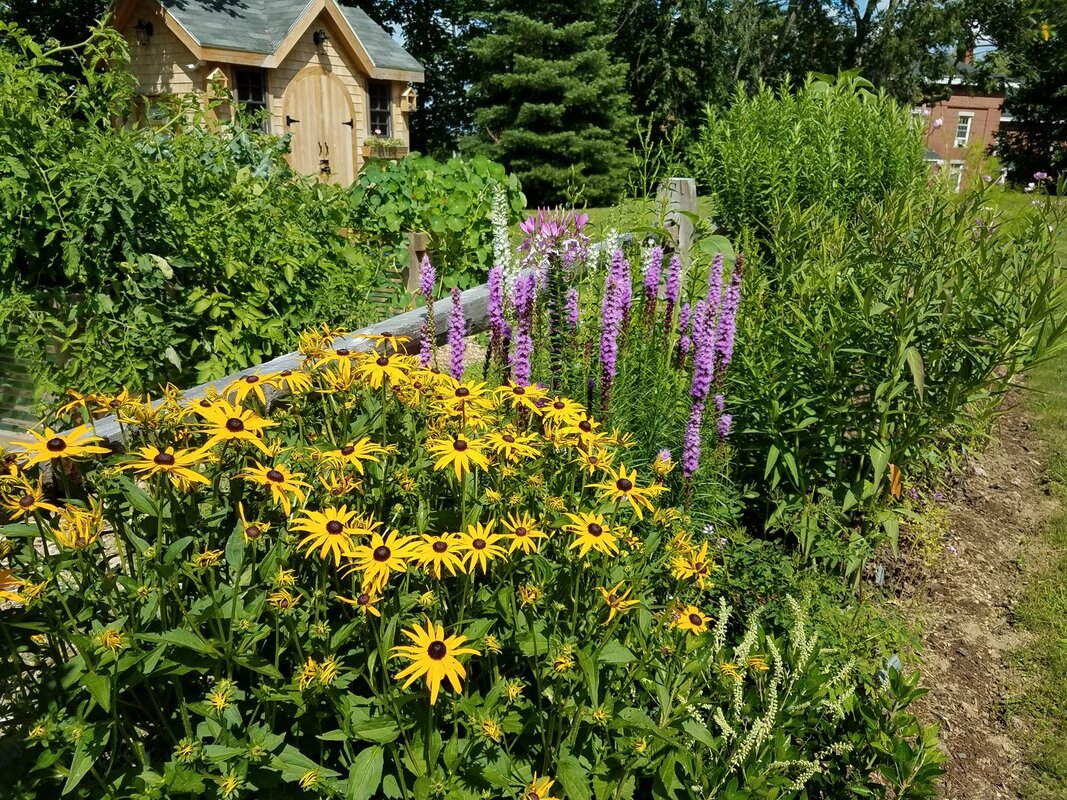
Wildlife needs a diverse array of mostly native plants to thrive. If you nurture native plants present on your property and add a variety of new natives of different sizes you can’t go wrong. Adding plants that produce fruits, nuts and nectar at different times of the year is vital and will bring lots of birds and wildlife to your property. Adding plants not native to our counties but that grow in southern Maine can both add diverse food and shelter for wildlife and potentially make your landscape resilient for the future as conditions change. If you have a residential lawn, consider adding or keeping plants there other than traditional grass turf. You’ll find it is much more interesting and beautiful, and can be great habitat. If you don’t have other vertical layers such as shrubs, small trees and large trees, you can begin planting those types of plants. Layering is also more attractive than one level of vegetation. Some Suggestions
|
Resources for Criteria 4
UMaine Cooperative Extension has a large library of short publications to help with many aspects of caring for land, including native plant lists and guides. We like these two, but there are many more...
Gardening to Conserve Maine's Native Landscape - (University of Maine Cooperative Extension)
Plants for the Maine Landscape (University of Maine Cooperative Extension) - Profiles on native trees and shrubs, as well as other recommended species.
Wild Seed Project Comprehensive Plant List https://wildseedproject.net/comprehensive-plant-list/
Choosing Plants - (Maine Department of Agriculture, Conservation and Forestry) The states page on planting for pollinators, native plant lists, many helpful tips on healthy residential landscaping, and recommended plants.
The Wild Seed Project - A wonderful resource on native plants, with many excellent articles. They also sell Maine native plant seeds.
National Audubon Society Native Plant Database - Just type in your zip code for a custom list of native plants that support birds and wildlife. The site also lists native plant nurseries and seed sources.
Eco Landscape Alliance - A wealth of articles on ecological landscaping, as well as many online and in person educational workshops throughout New England.
Native Plant Trust - A fantastic resource for learning about native plants and plant conservation, and their online key Gobotany is the best place to identify New England native plants for beginners and experts alike. Resources include lists of native plants to use for different purposes.
Landscape for Life - This site offers excellent lessons on soil, water, plants and other topics, based on the Sustainable Sites Initiative. Teacher lesson modules are also available on these topics.
The Meadow Project A resource site for meadowscaping.
Gardening to Conserve Maine's Native Landscape - (University of Maine Cooperative Extension)
Plants for the Maine Landscape (University of Maine Cooperative Extension) - Profiles on native trees and shrubs, as well as other recommended species.
Wild Seed Project Comprehensive Plant List https://wildseedproject.net/comprehensive-plant-list/
Choosing Plants - (Maine Department of Agriculture, Conservation and Forestry) The states page on planting for pollinators, native plant lists, many helpful tips on healthy residential landscaping, and recommended plants.
The Wild Seed Project - A wonderful resource on native plants, with many excellent articles. They also sell Maine native plant seeds.
National Audubon Society Native Plant Database - Just type in your zip code for a custom list of native plants that support birds and wildlife. The site also lists native plant nurseries and seed sources.
Eco Landscape Alliance - A wealth of articles on ecological landscaping, as well as many online and in person educational workshops throughout New England.
Native Plant Trust - A fantastic resource for learning about native plants and plant conservation, and their online key Gobotany is the best place to identify New England native plants for beginners and experts alike. Resources include lists of native plants to use for different purposes.
Landscape for Life - This site offers excellent lessons on soil, water, plants and other topics, based on the Sustainable Sites Initiative. Teacher lesson modules are also available on these topics.
The Meadow Project A resource site for meadowscaping.